Halal Certification in Indonesia and Its Document Requirements
By IHATEC
Categories: HALAL
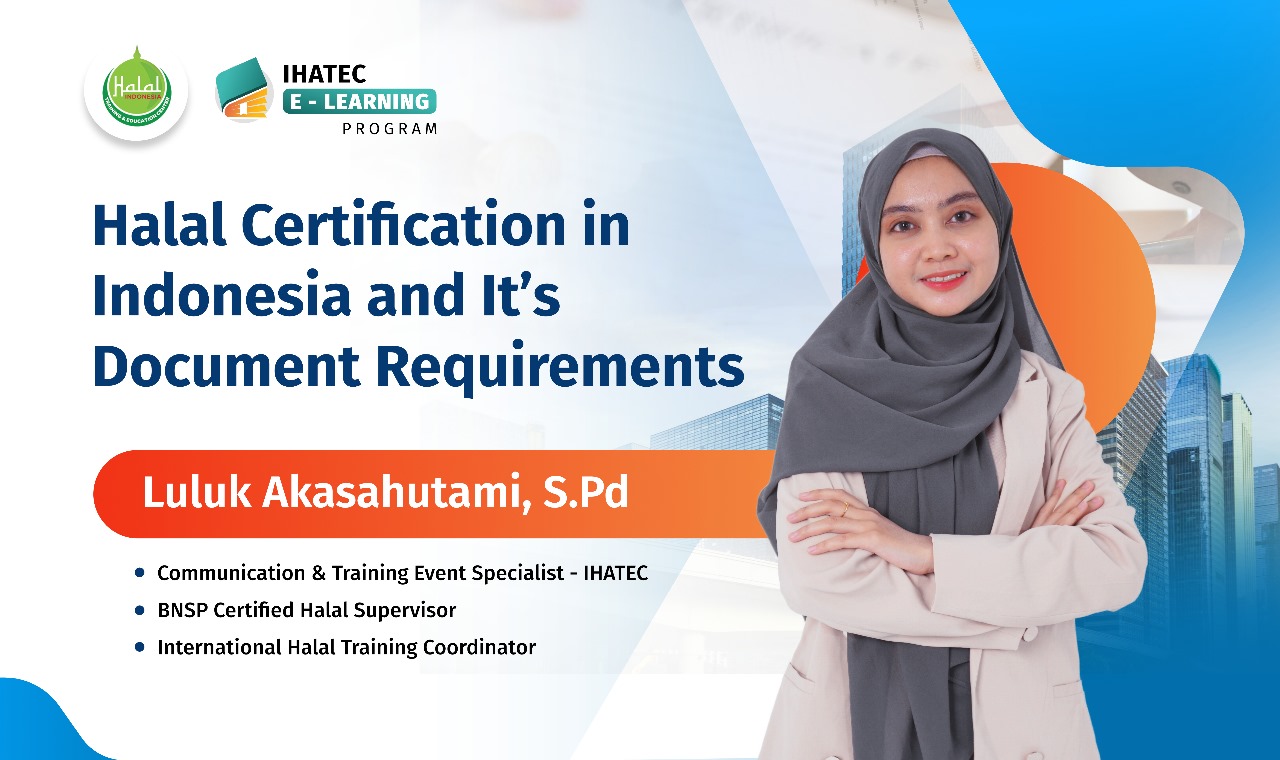
About Course
The Halal market is on the rise and businesses need to produce Halal products that comply with Halal regulations. Indonesia is home to the largest Muslim population and is a major target for the global market. According to Constitution Number 3 of 2014, all products that are imported, distributed, and marketed in Indonesia must be Halal certified, except for products that are not required to be Halal certified and those that contain haram material. To comply with these regulations, companies must have a wide knowledge of the Halal certification process to make it easier and faster. In this class, the audience of Insan Halal can gain an overview of the Halal certification process in Indonesia, which applies not only to the manufacturing industry but also to service industries such as slaughterhouses and logistics.
5.0
Total 26 Ratings
Katarina Olenberger
5 hours ago
Clear and useful
Ir. Sugeng Endarsiwi
1 month ago
Halal training is a critical investment for companies operating in Muslim-majority markets. It ensures that employees understand not only the religious significance but also the economic and legal importance of halal compliance. Effective training programs contribute to consumer trust, regulatory adherence, and sustainable business growth.
Nisrina
3 months ago
ok
Ade Afriansyah
5 months ago
mantab
edy suliswanto
5 months ago
ok
What Will You Learn?
- Halal Haram Concept and The Importance of Halal Certification
- Indonesia Halal Regulation and Standard
- Halal Certification Stakeholders
- Documents Requirements of Indonesia Certification Process
- Halal Certification Process.
Course Content
Halal Haram Concept and The Importance of Halal Certification
Halal Haram Concept and The Importance of Halal Certification
Indonesia Halal Regulation and Standard
Indonesia Halal Regulation and Standard
Halal Certification Stakeholders
Halal Certification Stakeholders
Documents Requirements of Indonesia Certification Process
Documents Requirements of Indonesia Certification Process
Halal Certification Process.
Halal Certification Process.
Certificate
Download the certificate directly on the website.
A Course By
By IHATEC
Indonesia Halal Training & Education Center
Materials Include
- Video, PDF Regulation, Pre & Post Test
Audience
- Halal Supervisor or halal management team, halal auditor, university, Government Institution, halal community